
Food Combining Rules & Guidance
Explore comprehensive nutrition insights from Wellnessnutritioncore. Learn evidence-based food pairing principles and nutritional education to support your wellness journey.
Browse Our Content Categories
Featured Articles & Guides

Understanding Food Combining Principles
Discover the foundational rules of food combining. Learn which foods work together for optimal digestion and nutrient absorption, based on nutritional science and established dietary principles.
Read More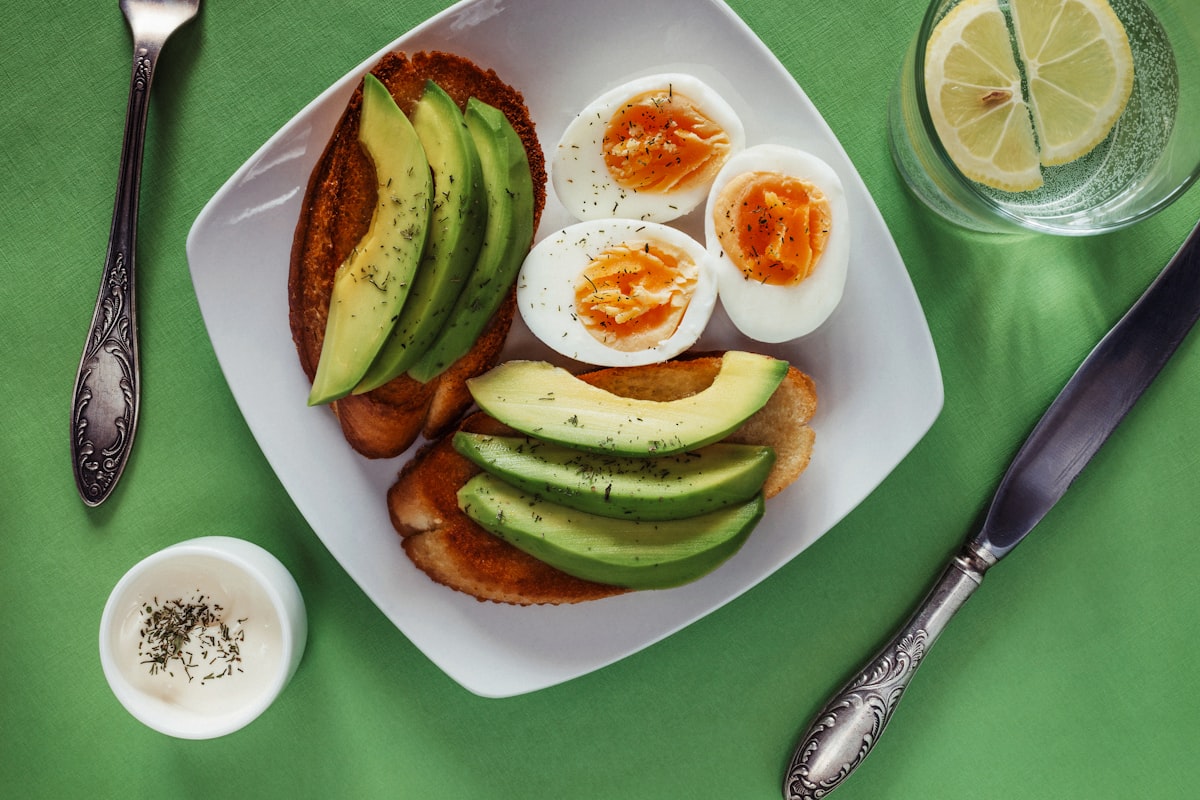
Proteins & Grains: Perfect Pairings
Explore how to properly combine proteins with whole grains and carbohydrates. This guide explains which pairings support efficient digestion and provide balanced nutrition for sustained energy throughout your day.
Read More
Vegetables & Fruits: Smart Combinations
Learn which vegetables and fruits combine best together. This article covers how to maximize nutritional intake while maintaining proper food group separation for improved digestive efficiency and nutrient bioavailability.
Read More
Meal Planning with Food Combining Rules
Master the art of planning balanced meals using food combining principles. This comprehensive guide shows how to structure your weekly meals while respecting combining rules for better nutrient absorption and consistent energy levels.
Read More
Digestive Compatibility Guide
Understand how different foods interact during digestion. This detailed article explores digestive enzymes, processing times, and compatibility factors that make certain food combinations more supportive to your body's natural digestive processes.
Read More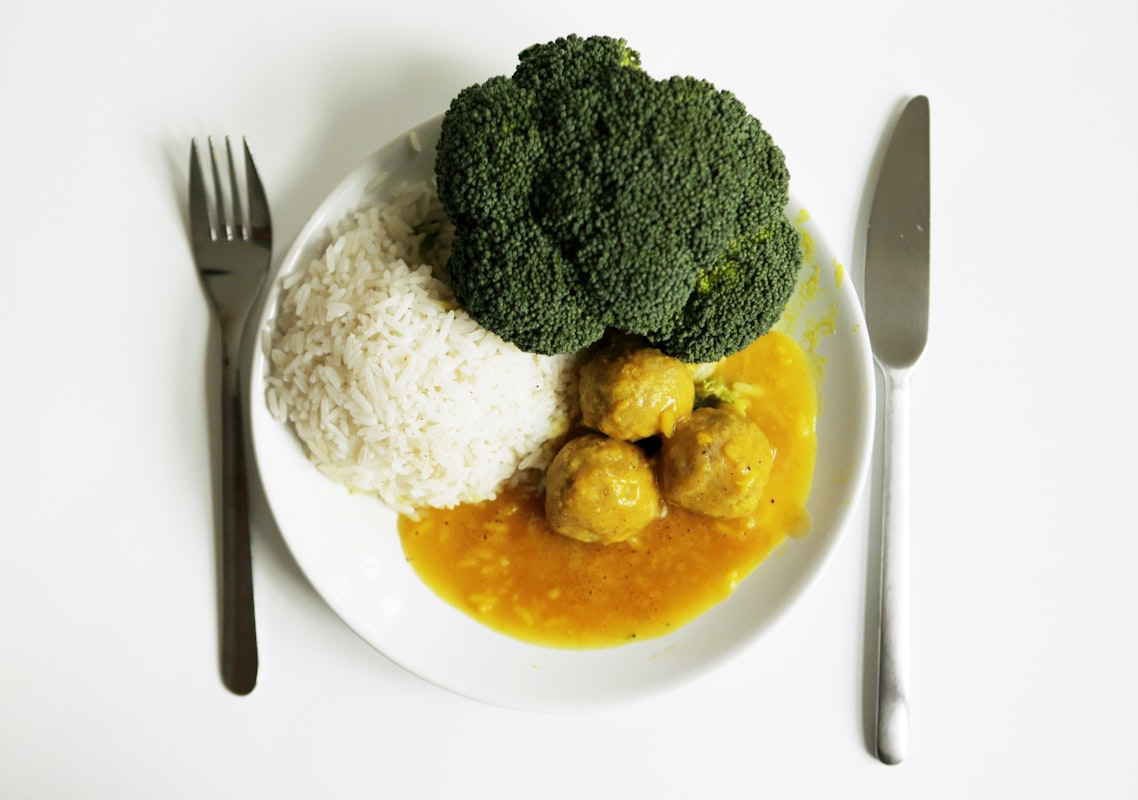
Nutritionist Recommendations & Best Practices
Discover evidence-based recommendations from nutrition professionals at Wellnessnutritioncore. Learn practical tips for implementing food combining principles in your daily life while maintaining nutritional balance and variety.
Read MoreAdditional Resources
Complete Combining Reference
Access our comprehensive food combining reference chart that categorizes over 100 foods by their digestive properties and optimal pairing patterns.
View GuideWeekly Meal Plans
Explore sample weekly meal plans designed with food combining principles in mind, complete with practical shopping lists and preparation tips.
Request PlansFrequently Asked Questions
Browse answers to common questions about food combining rules, implementation challenges, and how to adapt these principles to your lifestyle.
Read FAQsCommon Questions About Food Combining
Food combining rules suggest separating proteins from carbohydrates, eating fruits on an empty stomach, and avoiding mixing different types of proteins. These principles are based on the idea that different foods require different digestive enzymes and processing times. The main rules include: eat fruits alone or before other foods, combine starchy vegetables with non-starchy vegetables, combine proteins with non-starchy vegetables, and avoid mixing proteins with starches in the same meal.
Absolutely. Vegetarians can successfully apply food combining principles by combining legumes and plant-based proteins with non-starchy vegetables. For example, pair beans with leafy greens and cruciferous vegetables, or combine nuts and seeds with vegetable-based meals. The key is avoiding the combination of different starch sources (like beans and grains) in the same meal, and being mindful of portion sizes to ensure complete nutritional intake.
Most people report becoming comfortable with food combining principles within 2-4 weeks of consistent practice. Initially, meal planning may feel restrictive, but as you learn which foods pair well together and develop new habits, the process becomes intuitive. Start by focusing on one or two main rules, then gradually incorporate additional principles. Everyone adapts at their own pace, so be patient with yourself as you transition.
Most foods can be combined with something following food combining principles. Non-starchy vegetables are the most flexible and combine well with almost everything. However, some foods like melons are traditionally recommended to be eaten alone because of their rapid digestion rate. Learning your food categories and understanding basic combining rules will help you navigate most meals successfully.
Food combining supports nutritional balance by emphasizing whole foods, proper digestion, and strategic food selection. By learning to pair foods wisely, you ensure adequate intake of proteins, healthy fats, complex carbohydrates, and micronutrients across your meals. The principles encourage eating a variety of whole foods, which naturally provides diverse nutrients. Proper digestion also improves nutrient absorption, making the nutrients from your food more bioavailable to your body.
Ready to Learn More About Food Combining?
Connect with our nutrition experts at Wellnessnutritioncore for personalized guidance and comprehensive food combining education tailored to your individual wellness goals.